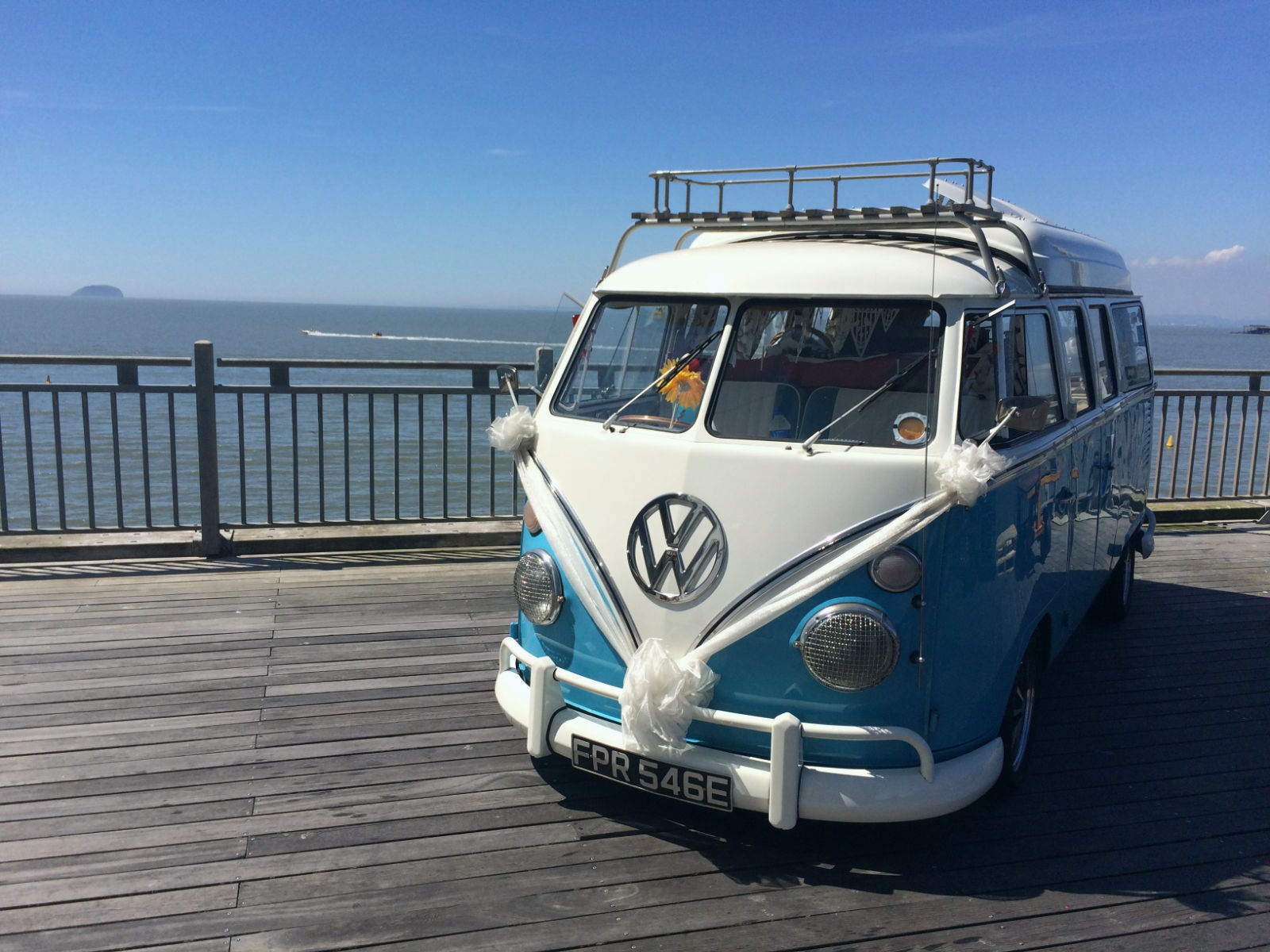
If you’ve ever smiled as a vintage VW buzzed past, you’ve felt the “Mr Happy” effect. But did you know that the world’s most iconic campervan actually started its life as a humble sketch on a scrap of paper?
The Vision of Ben Pon
In 1947, a Dutch businessman named Ben Pon visited the Volkswagen factory in Wolfsburg. He spotted a makeshift, flatbed parts-hauler built on a Beetle chassis and had a “eureka” moment. He sketched a boxy, rear-engined van that looked a bit like a loaf of bread.
Two years later, the Volkswagen Type 2 was born. (The Beetle, of course, was Type 1).
The Evolution: From Splits to Bays
The VW van has gone through several “faces” over the decades, each with its own devoted following:
- The Split Screen (1950–1967): Known affectionately as the “Splitty,” these are famous for their two-piece windscreens and the large “V” shape on the front. They were the original counter-culture icons of the 60s.
- The Bay Window (1967–1979): This is the generation Mr Happy belongs to! VW did away with the split glass in favour of a large, curved “Bay” window. These vans were more comfortable, had better suspension, and were much more practical for long road trips.
- The “Wedge” (T25/T3): In the 80s, the curves were replaced by a more angular, modern design, which eventually led to the front-engined T4s and T5s we see today.
The Rise of the “Devon” Conversion
In the early days, VW didn’t actually build “campers” themselves—they built vans. It was up to specialist conversion companies to turn these empty shells into homes on wheels.
Devon Conversions (based in Sidmouth, Devon) became one of the most famous British names in the business. They were renowned for their high-quality woodwork and clever use of space. A classic Devon interior usually featured:
- The iconic “Moonraker” or “Caravette” layouts.
- Built-in cupboards, a small gas cooker, and the famous “rock and roll” bed.
- The Pop-top roof, allowing you to stand up inside while cooking or provide extra sleeping bunks for the kids.
While German companies like Westfalia were also popular, the Devon conversion holds a special place in British motoring history—it’s the quintessential “Great British Holiday” in a van.
The Legacy Lives On
Today, these vans are more than just transport; they are time machines. When you hire a van like Mr Happy, you aren’t just getting a vehicle—you’re stepping into a story that began with a simple sketch nearly 80 years ago.